Asphalt shingles are the most familiar roofing material on homes throughout East Central Indiana, but they do not come with a single expiration date. When homeowners ask, “How long does a roof last?” the most accurate answer depends on the shingle type, installation quality, attic conditions, maintenance history, and years of exposure to changing Indiana weather.
Many asphalt shingle roofs provide roughly 15 to 30 years of service. Basic three-tab shingles are often associated with the shorter part of that range, while heavier architectural shingles may remain serviceable longer. These are general planning ranges—not promises. A roof’s actual condition matters more than the date on an installation receipt.
What Determines an Asphalt Shingle Roof Lifespan?
The asphalt shingle roof lifespan begins with the roofing product, but shingles are only one part of the system. Underlayment, flashing, decking, ventilation, fasteners, and installation details all work together to protect the home. A weakness in one area can shorten the useful life of otherwise sound shingles.
Two houses built in the same year can need roofing work at different times because their ventilation, shade, maintenance, moisture, and storm exposure differ.
Shingle Type and Material Quality
Asphalt shingles vary in thickness, construction, and intended service life. Traditional three-tab shingles tend to be lighter, while architectural shingles use a layered design. Product quality matters, but it cannot overcome poor installation or ongoing moisture problems. Keep available product and installation records to help a professional identify the system and estimate its age.
Installation Quality
Fastener placement, flashing, roof penetrations, starter courses, valleys, and edges affect how the system handles wind and water. Problems in these areas may cause loose shingles, leaks, or premature deterioration.
If the installation history is unknown, a professional can still evaluate visible conditions. Do not climb onto the roof; surfaces can be steep, slick, or unstable.
How Ventilation and Moisture Affect Roof Performance
Attic ventilation helps manage heat and moisture beneath the roof deck. Trapped warm, humid air can contribute to condensation and stress roofing materials. Because ventilation must work as a balanced system, simply adding a vent may not solve the underlying problem.
Moisture can also enter through damaged flashing, penetrations, missing shingles, or aging seal points. A ceiling stain may be far from the entry point, making prompt professional evaluation important.
Interior Warning Signs
Homeowners can look for damp insulation, musty odors, peeling paint, ceiling stains, or discoloration near vents and exterior walls. Only enter an attic if it has a safe, secured access point and appropriate walking surfaces. Stay away from wet electrical components and unstable areas.
These symptoms do not automatically require an Indiana roof replacement. An isolated problem may be repairable, while widespread moisture, deteriorated decking, or recurring leaks may support broader work.
Indiana Weather Can Accelerate Wear
East Central Indiana roofing systems experience summer heat, winter cold, rain, wind, hail, snow, and rapid temperature changes. No single season determines roof life, but repeated exposure can gradually affect shingles and surrounding components.
Storms and Wind
High winds can lift edges, weaken seals, or remove shingles. Hail and debris may loosen granules or create less-visible damage. After a storm, check safely from the ground for missing materials, uneven sections, gutter damage, or new indoor moisture.
A roof can look generally intact and still need a closer evaluation. If you suspect storm damage, schedule a professional inspection instead of walking on the roof.
Freeze-Thaw Cycles
During colder months, moisture can enter small openings, freeze, and thaw. Repeated cycles can stress existing cracks, flashing gaps, and weakened materials, especially where drainage is restricted.
Homeowners should watch for recurring winter leaks, displaced materials, or interior staining that appears after temperature swings. These patterns provide useful information for a contractor assessing the roof.
Tree Cover Can Help and Harm a Roof
Tree cover can keep roofing materials damp after rain. Debris may collect in valleys or gutters, while overhanging or dead branches can scrape shingles or fall during a storm.
Use a qualified tree professional to maintain branches when needed. Never climb onto the roof to clear debris. Have touching branches or overflowing gutters addressed safely.
Maintenance Helps Small Problems Stay Small
Routine attention can reduce avoidable deterioration. From the ground, look for missing shingles, lifted edges, damaged flashing, sagging gutters, debris, and changes in the roofline. Check ceilings and safely accessible attic areas after major storms or heavy rain.
Professional inspections are useful when the roof’s age is unknown, a leak develops, branches fall, or shingles appear damaged. Early repair may protect the remaining system and keep moisture from reaching decking, insulation, and interior finishes.
Keep a simple roof history with inspection reports, dated photographs, repair invoices, and the approximate installation year. This record makes it easier to distinguish a one-time issue from a pattern of repeated problems.
Aging Roof Signs Homeowners Should Recognize
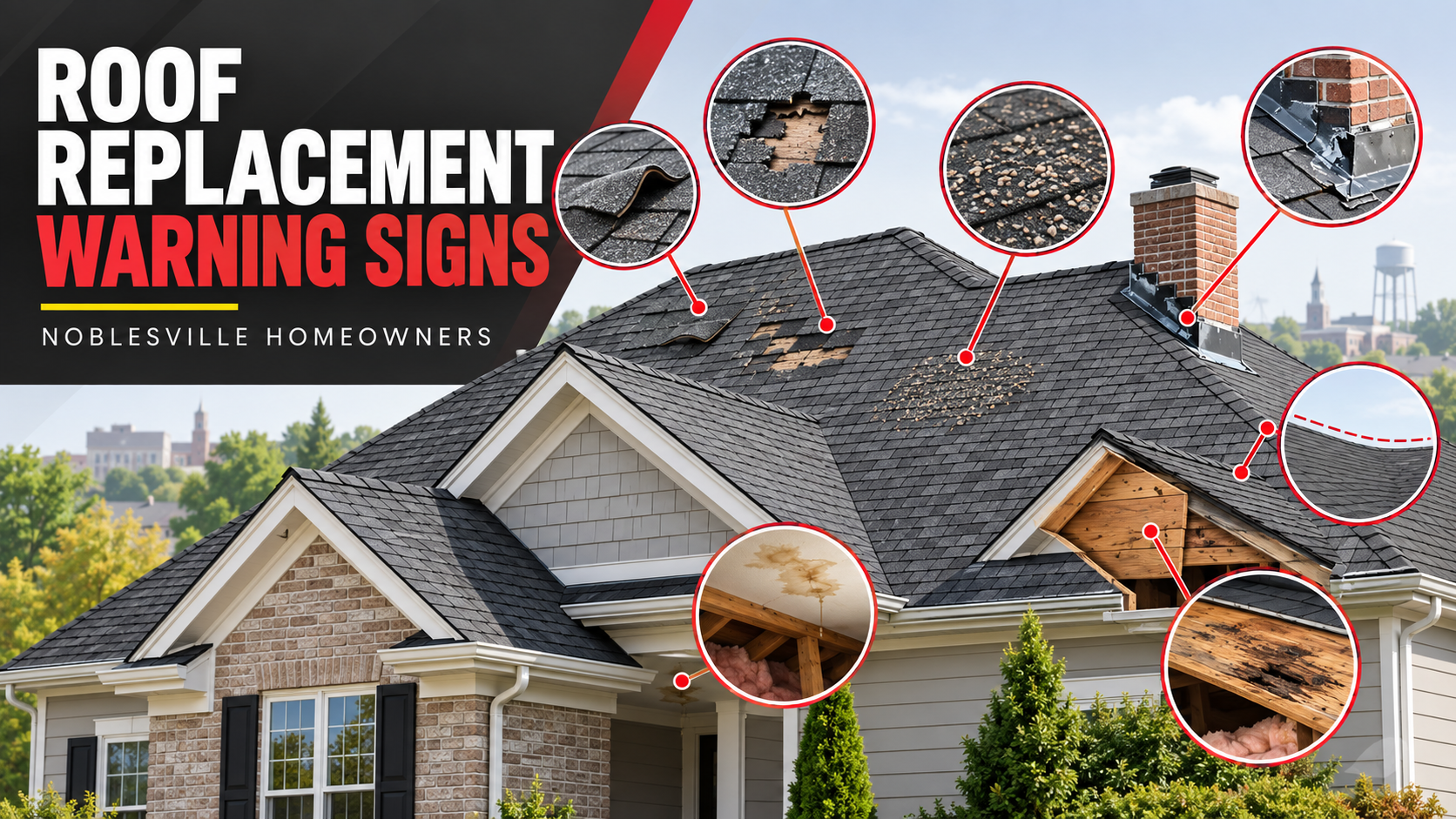
Age by itself does not prove that replacement is required. Instead, consider age alongside the roof’s overall condition. Common aging roof signs include:
- Shingles that are curling, cracked, loose, or missing
- Widespread granule loss or inconsistent surface appearance
- Repeated leaks or stains in multiple areas
- Flashing that is loose, corroded, or separated
- Soft, deteriorated, or visibly uneven decking
- Repairs that are becoming more frequent
- Roofing materials that are difficult to integrate with older shingles
Some of these conditions may still be repairable when confined to a small area. When wear is widespread or the roof system has a long repair history, replacement may provide a more complete solution.
When Should You Begin Planning for Roof Replacement?
Do not wait for active water entry to begin thinking about the roof. If the system is approaching the general lifespan range and showing multiple warning signs, schedule an assessment and begin planning. This gives you time to understand the condition instead of making decisions during an emergency.
Ask the contractor whether damage is isolated or widespread, what materials are affected, and why repair or replacement is being recommended. A written scope and labeled photographs can make the findings easier to understand. For more information about inspections, repairs, and replacement, explore Ace Construction & Remodeling’s roofing services.
Request a Professional Roof Assessment
The answer to “how long does a roof last?” is ultimately specific to the home. General age ranges are helpful for planning, but installation, ventilation, tree cover, maintenance, moisture, storms, and freeze-thaw cycles determine how an individual roof performs.
Ace Construction & Remodeling is a family-owned contractor headquartered in Anderson and serving East Central Indiana since 1996. Homeowners near the company’s headquarters can also visit the Anderson roofing contractor page for local service information.
If you have noticed aging roof signs or are considering an Indiana roof replacement, request a quote from Ace Construction & Remodeling. The team can evaluate your roof, explain its current condition, and help you determine a practical next step for protecting your home.